Kia Engine Repair & Engine Overhaul in Hyderabad
Kia engine diagnosis comes first
For a Kia, diagnosis always precedes any overhaul recommendation. The Gajularamaram workshop reviews service history, reads stored codes, studies live data and runs mechanical tests where needed to separate internal wear from turbo, injector, cooling, timing or electronic faults. Metre Per Second - Premium Car Service & Repair records the findings, issues a written estimate, and begins major engine work only after the customer has approved it in writing.
Kia arrived in India with modern Smartstream engines — the 1.0 T-GDi and 1.5 petrols alongside the 1.5 CRDi diesel — which share their core architecture with the wider Hyundai-Kia family. Around Hyderabad, these units see everything from stop-start KPHB congestion to open ORR runs, and each pattern of use leaves its own marks. A misfire, a whiff of smoke or a warning lamp can arise from many directions, so at Metre Per Second - Premium Car Service & Repair on KPHB Road the sequence stays fixed: inspect and measure first, present the findings with a written estimate, and touch the engine internals only when the evidence genuinely calls for it.
Kia engine problems and symptoms worth checking
Uneven idle or a stumble on the 1.0 T-GDi
Three-cylinder T-GDi petrols can idle unevenly from ageing coils, a vacuum leak or intake-valve carbon that direct injection tends to leave. A misfire code does not by itself prove worn cylinders, so ignition, fuel trims and compression are weighed together first.
Oil consumption or light smoke
Some owners notice the oil level dropping between services. Turbocharger seals, the PCV system or ring and valve-seal wear are all possible on Smartstream engines, so the breather path and compression are checked before any internal cause is confirmed.
Coolant loss or a rising temperature gauge
A radiator seep, a weak water pump or a tired thermostat can mimic something far worse. On any Kia, driving on with a climbing gauge is what escalates a small cooling repair into head or block damage, so the circuit is pressure-tested early.
Reduced power or limp mode on the CRDi diesel
The 1.5 CRDi can drop into a protective mode from a sticking turbo actuator, EGR fouling, a clogged intake or an injector fault. Each is examined against live data before power loss is ever attributed to the engine internals.
Cold-start rattle or a persistent tick
A brief chain-area rattle at cold start or a steady tick can involve timing components, oil pressure or valve gear. The temperature at which it appears and its rhythm are logged, and scan data is reviewed before any part is named.
Oil-pressure warning light
A lit oil-pressure lamp on a Smartstream or CRDi engine is a stop-and-inspect signal. Oil grade and level, the pump, pickup and bearing condition are checked in order, because running on under low pressure can accelerate internal wear quickly.
Check-engine light, hesitation or hard starting
Warning lights and reluctant starts can trace to sensors, fuel pressure, glow plugs on the diesel or the battery and starter circuit. Fault-code review narrows the possibilities so replacements are targeted rather than fitted on a hunch.
Possible causes — not every symptom is internal engine damage
A Kia engine symptom does not automatically mean an internal-engine problem. Systems around the engine frequently create engine-like complaints, and these are examined before any overhaul is considered.
- Turbocharger or charge-air-system faults on the T-GDi or CRDi producing smoke, oil use and power loss
- Intake-valve carbon on direct-injection Smartstream petrols causing rough idle and hesitation
- EGR, intake or actuator clogging on the 1.5 CRDi diesel showing as reduced pull or limp mode
- Radiator, thermostat or water-pump leaks that read as overheating rather than internal damage
- Sensors, wiring or engine-management faults triggering warning lights and drivability issues
Kia engine diagnosis
- Listening to the owner's description of the concern and reviewing the car's service history
- Checking visible items first — fluid levels and condition, leaks, hoses, wiring and connectors
- Reading stored fault codes and comparing live sensor data against expected values
- Testing the surrounding systems (cooling, intake, fuel, turbocharging, emissions) where the symptom points to them
- Measuring compression, cylinder leak-down or oil pressure when the evidence justifies opening that line of investigation
- Explaining the findings in plain language, with a written estimate prepared before any chargeable repair is approved
Kia engine technologies considered during diagnosis
Smartstream T-GDi turbocharged direct injection
The 1.0 T-GDi pairs a small turbo with high-pressure direct injection for efficiency and torque. Because turbo and injection faults imitate internal wear, boost behaviour, fuel pressure and intake condition are assessed with live data before the engine is opened.
Smartstream 1.5 MPi petrol
The naturally aspirated 1.5 petrol uses continuously variable valve timing for a broad, usable band. When idle quality or economy changes, the timing actuators, sensors and ignition are checked before any mechanical cause is assumed to be at fault.
1.5 CRDi common-rail diesel
The 1.5 CRDi combines common-rail injection, a variable-geometry turbo and EGR with emissions hardware. Since these components produce symptoms that resemble internal faults, they are diagnosed first so the block is only opened when readings demand it.
Timing chain and lubrication management
Modern Smartstream engines rely on a timing chain and clean oil at the correct pressure for chain, tensioner and variable-timing operation. Oil condition and pressure are verified early because they influence several of the most common Kia symptoms.
Kia model and engine-family guide
The table below outlines common Kia models on Hyderabad roads and the engine families behind them, with the typical checks each concern warrants.
| Model | Engine / fuel | Relevant technology | Common symptoms | Diagnostic checks | Possible repair |
|---|---|---|---|---|---|
| Kia Seltos | Petrol (1.5 MPi / 1.0 T-GDi) and diesel (1.5 CRDi) | Smartstream petrols with CVVT; 1.5 CRDi with VGT turbo | Rough idle, oil use, power loss, smoke or coolant loss | Fault codes, fuel trims, boost data, cooling pressure and compression if needed | Targeted turbo, ignition or cooling repair; overhaul only on proven wear |
| Kia Sonet | Petrol (1.5 MPi / 1.0 T-GDi) and diesel (1.5 CRDi) | Smartstream 1.0 T-GDi and 1.5 petrol; 1.5 CRDi diesel | Stumble on idle, hesitation, limp mode or hard starting | Ignition, carbon assessment, EGR and injector checks, live data review | System-level repair first; internal work only after measurement confirms it |
| Kia Carens | Petrol (1.5 MPi / 1.4 T-GDi) and diesel (1.5 CRDi) | Smartstream petrols; 1.5 CRDi common-rail diesel | Power loss under load, smoke, overheating or misfire | Turbo actuator, EGR, cooling circuit and mechanical tests as evidence directs | Targeted repair unless internals are measured to be worn or damaged |
| Kia Carnival | Diesel (2.2 CRDi on ICE variants) | Larger CRDi common-rail diesel with turbocharging | Reduced pull, smoke, cold rattle or oil-pressure warning | Injector, turbo and EGR checks, oil-pressure and compression tests if warranted | Diesel-side repair first; overhaul reserved for confirmed internal wear |
| Kia Syros / petrol variants | Petrol (Smartstream T-GDi / MPi) | Turbo and naturally aspirated Smartstream petrol units | Idle roughness, light oil use, hesitation or check-engine light | Ignition, PCV, carbon and compression assessment where warranted | Deposit or ignition fixes before any top-end or overhaul discussion |
Kia engine repair, overhaul or replacement
When an overhaul may — or may not — be needed
An overhaul may be appropriate where inspection confirms:
- Compression readings that stay low because of internal mechanical wear
- Measured damage to pistons, rings, cylinder walls, bearings, crankshaft or valve gear
- Internal damage confirmed after severe overheating or a lubrication failure
- A seized engine or another proven internal mechanical failure
A large share of Kia cars that arrive with a suspected engine failure actually need something smaller — a cooling repair, an injector, a timing component, a turbocharger or an electronic fix. For that reason Metre Per Second - Premium Car Service & Repair does not quote an engine overhaul over the phone: the car is inspected first, the evidence is documented, and internal engine work is proposed only when the inspection genuinely supports it.
Targeted system repair
Chosen when the fault sits outside the engine internals — for example in the cooling, fuel, ignition, intake, timing, turbocharging or engine-management systems.
Cylinder-head (top-end) work
Chosen when inspection traces the problem to the cylinder head, valves, valve seals or the sealing surfaces above the block.
Lower-engine (bottom-end) work
Chosen only when measurement confirms a problem in the block assembly — bearings, crankshaft, pistons or cylinder walls.
Full engine overhaul
Chosen when the inspection shows wear or damage broad enough that rebuilding the engine as a whole is the sensible, approved scope.
Replacement assessment
Weighed against rebuilding only after the engine's condition, parts availability and the overall estimate are known.
Kia engine repair pricing
Engine repair cost depends on what the inspection finds: the engine family, the extent of internal damage, which parts are needed, whether machining is required and the repair scope the customer approves. Metre Per Second - Premium Car Service & Repair prepares a written, itemised estimate after diagnosis; no meaningful engine-repair price can be quoted from a symptom description alone.
How long diagnosis takes depends on the fault — straightforward concerns resolve quickly, while complex intermittent faults need longer investigation. The repair duration then follows from the approved scope, parts availability, any machine-shop work and final testing — a realistic completion window is shared once those factors are known, rather than promised in advance.
The Kia engine overhaul process — if approved
- The engine is removed from the car only if the approved scope requires it
- The affected assembly is stripped, cleaned and laid out for inspection
- Bores, crankshaft journals, head flatness and running clearances are measured against specification
- Pistons, rings, bearings, valves, timing components and the oil and cooling circuits are checked item by item
- Machining and parts replacement happen only where the measurements call for them
- The engine is reassembled to torque specification, refilled, coded or calibrated where the car requires it, then verified with diagnostics and a road test
Engine components that may be inspected
Depending on the findings and the approved repair scope, inspection and measurement can cover:
- Pistons and piston rings
- Cylinder bores and liners
- Cylinder head, valves and valve seals
- Crankshaft and main / big-end bearings
- Camshafts and valve train
- Timing chain or belt, guides and tensioners
- Oil pump and lubrication circuit
- Water pump and cooling circuit
- Gaskets, seals and sealing surfaces
- Injectors and fuel delivery
- Turbocharger and charge-air plumbing
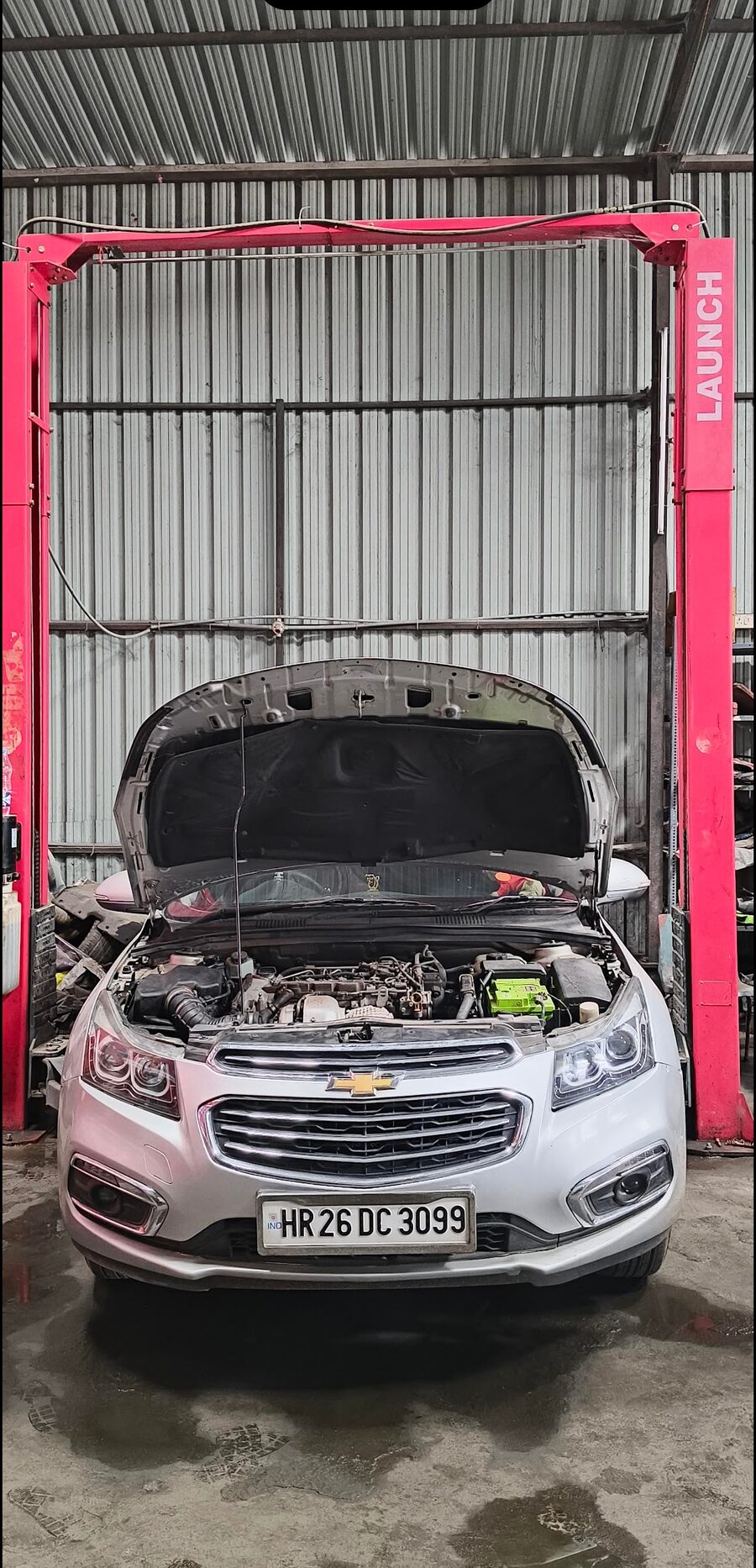
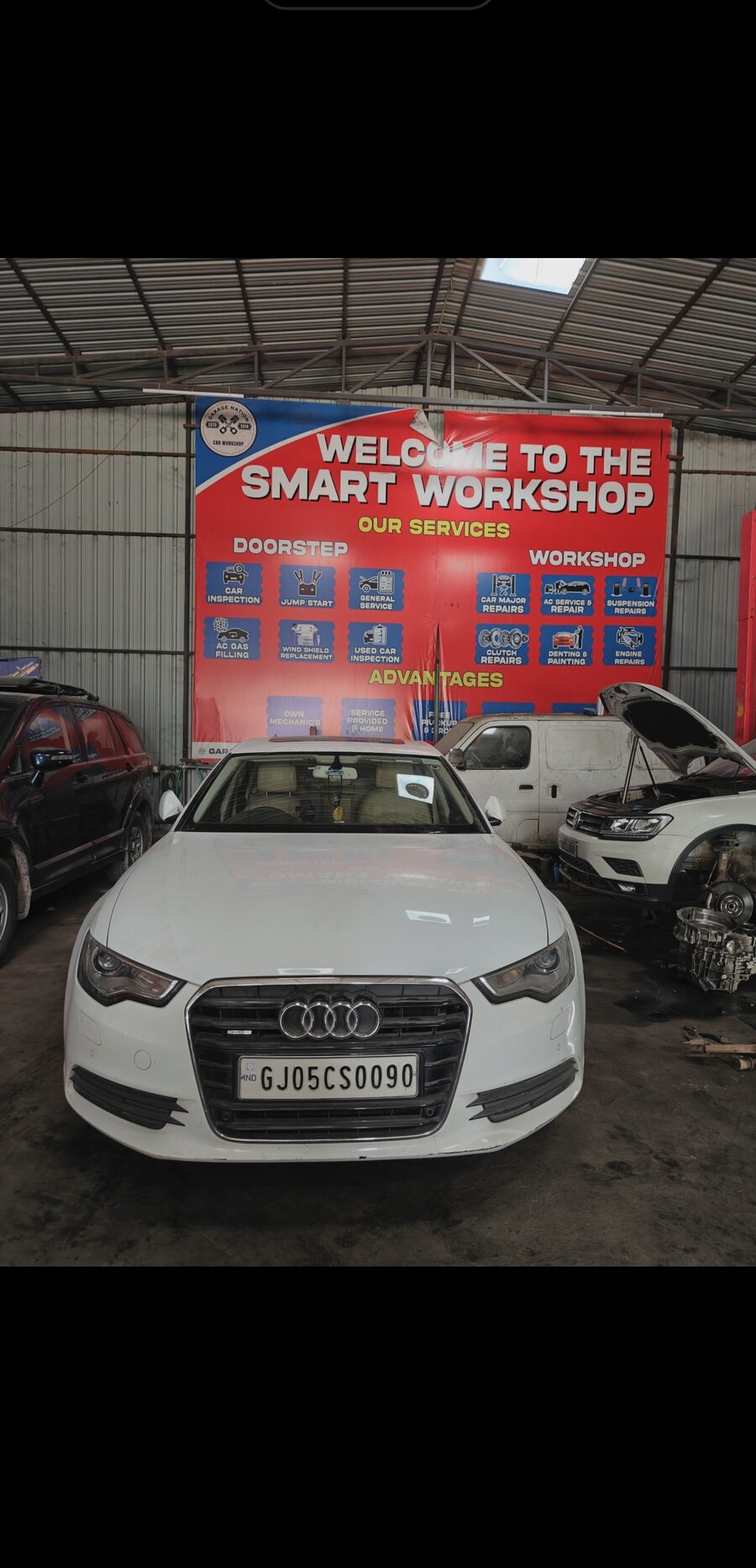
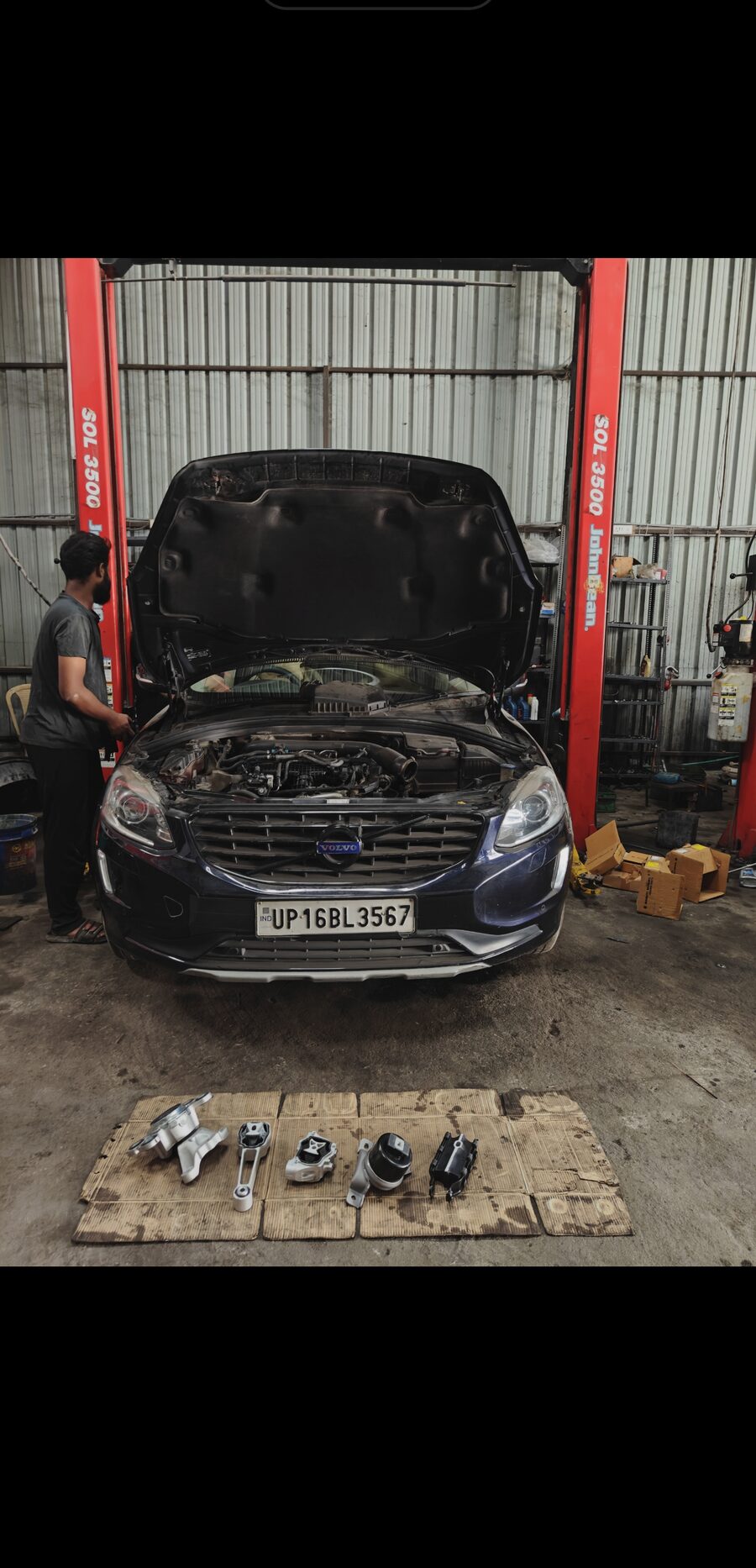
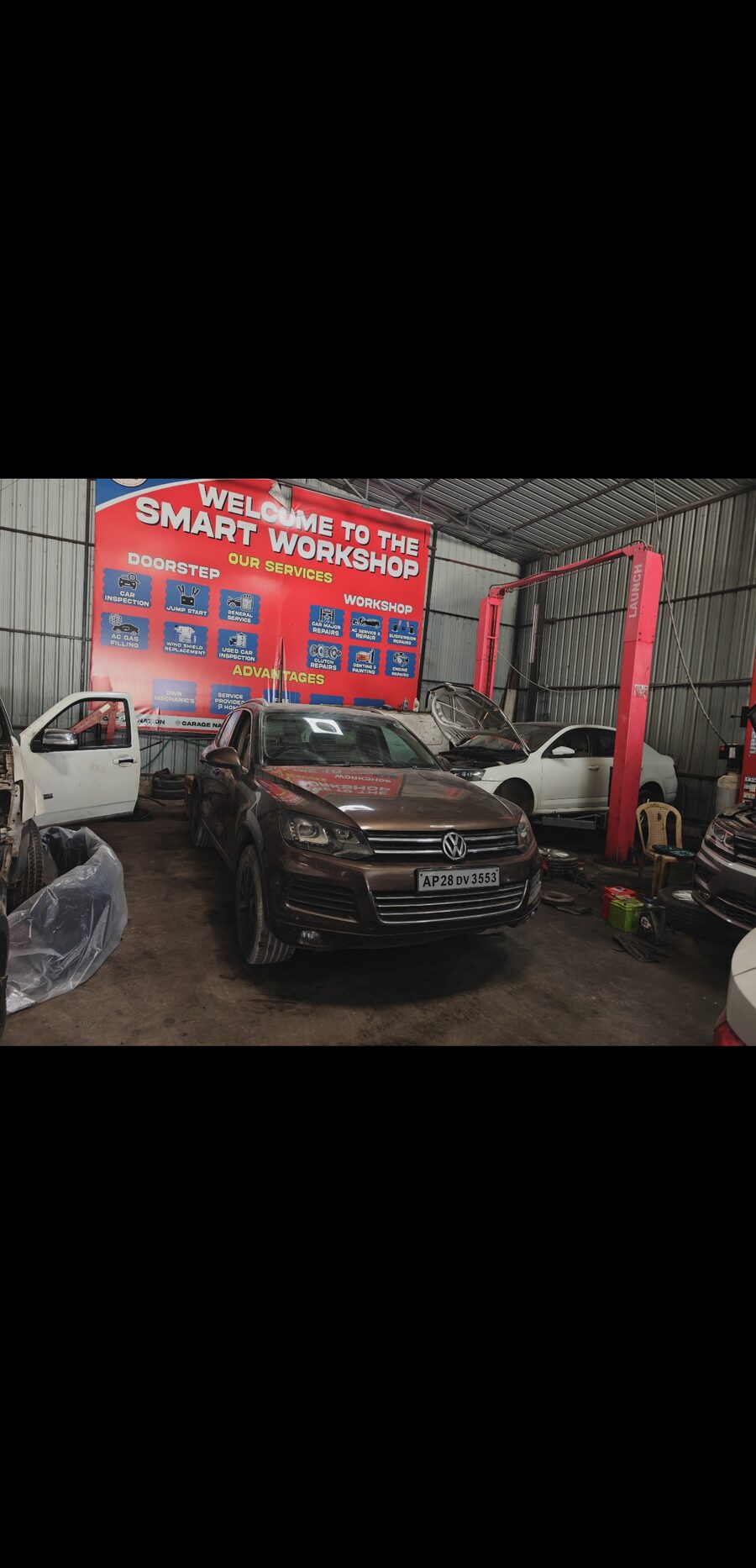
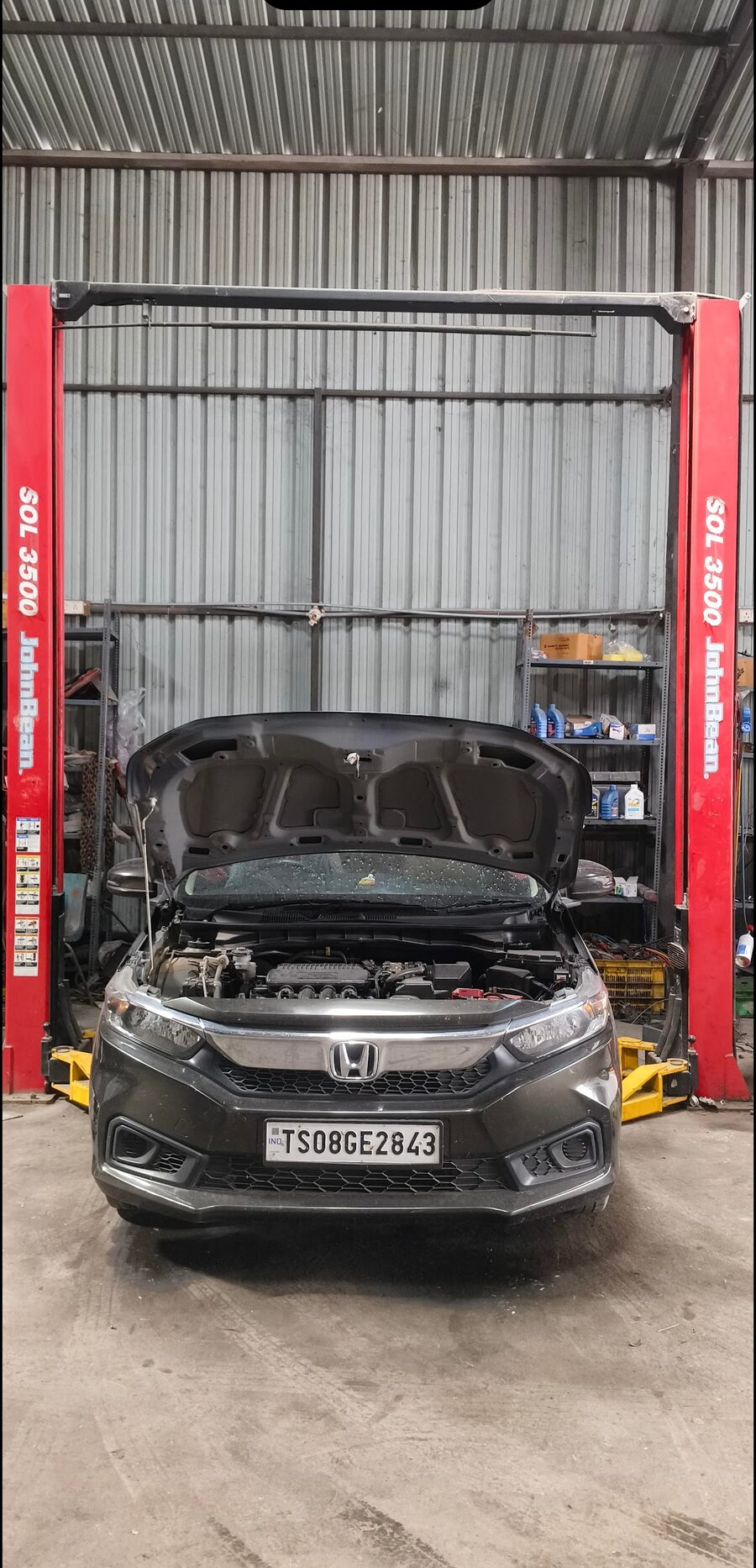
Inside the workshop
Real photographs from the Metre Per Second - Premium Car Service & Repair workshop in Gajularamaram, Hyderabad.
The customer repair process, step by step
Step 1 — Vehicle arrival
The car comes to the Gajularamaram workshop on KPHB Road; any collection arrangement is agreed case by case for the specific car and location.
Step 2 — Diagnosis
The concern is investigated with history review, inspection, scan data and mechanical tests as the symptom demands; complex intermittent faults need longer investigation than straightforward ones.
Step 3 — Findings and written estimate
What was found, what it means and what it should cost are documented and explained before anything chargeable is proposed.
Step 4 — Customer approval
No chargeable work starts until the customer has understood the findings and approved the estimate.
Step 5 — Parts and repair
Parts are sourced after approval — availability varies by engine family — and the approved repair or overhaul is then carried out.
Step 6 — Testing and handover
Leak checks, warning-light verification, temperature behaviour and a road test come before delivery; the completed work and replaced parts are explained at handover, and the agreed warranty terms are recorded.
Warranty and additional findings
Engine work at Metre Per Second - Premium Car Service & Repair carries a 1-year workmanship warranty, with repair and parts coverage as set out in the warranty terms agreed at handover. Covered concerns raised during the period are assessed against those terms; the warranty is not unlimited and does not extend to unrelated future faults.
Dismantling occasionally reveals damage that no external inspection could have shown. When that happens the extra finding is documented, photographed where practical and explained — and the customer decides whether the additional work proceeds before it is charged.
Kia engine repair in Hyderabad — where to find the workshop
Metre Per Second - Premium Car Service & Repair operates from Plot No. M-8, Mahadevpuram, KPHB Road, Gajularamaram, Hyderabad, Telangana 500055 — convenient to KPHB, Kukatpally, Nizampet, Bachupally and nearby areas.
Kia engine repair FAQs
Why does my Kia Seltos petrol idle roughly at times?
Rough idle on a Smartstream petrol often traces to ageing coils, a vacuum leak or intake-valve carbon on direct-injection variants. Metre Per Second - Premium Car Service & Repair reviews fuel trims and ignition and measures compression where needed, so a smaller fix is not overlooked and internal work is only proposed if the readings support it.
My Kia diesel lost power and showed a warning — is the engine damaged?
Power loss and limp mode on the 1.5 CRDi are usually protective and often point to the turbo actuator, EGR, an injector or a sensor rather than the internals. Live data and fault codes are reviewed first at the Gajularamaram workshop, so the real trigger is identified before any major engine work is estimated.
Does the Kia share engines with Hyundai, and does that affect repair?
Kia's Smartstream petrols and CRDi diesels share their core architecture with the wider Hyundai-Kia family, so the diagnostic approach is well understood. That does not change the process: the car is inspected, the evidence is documented, and Metre Per Second - Premium Car Service & Repair proposes internal work only when the inspection genuinely supports it.
Can carbon affect my T-GDi engine?
Direct-injection T-GDi units can accumulate intake-valve carbon over time, which may cause hesitation or rough idle. This is assessed during inspection and separated from true mechanical wear. Where deposits are the cause, cleaning rather than internal work is the correct response once diagnosis confirms it.
Will you quote a Kia overhaul cost on the phone?
No. The cost depends on the engine family, the extent of any internal wear, the parts required, whether machining is needed and the approved scope. Metre Per Second - Premium Car Service & Repair prepares a written, itemised estimate only after inspection, because a symptom description alone cannot support a meaningful figure.
What warranty covers Kia engine repairs here?
Engine work carries a 1-year workmanship warranty, with coverage set out in the terms agreed at handover. Concerns raised during the period are assessed against those terms. The warranty is not unlimited and does not extend to unrelated future faults, and the details are recorded when the car is handed back.
My Kia's temperature is rising in city traffic — should I worry?
Usually this is a cooling-system matter — a weak water pump, a tired thermostat or a radiator seep — rather than internal failure. The circuit is pressure-tested first. Because driving on with a climbing gauge risks head or block damage, the safe course is to stop and have it inspected promptly rather than continue.